Something that can bog down new writers – or prevent would-be new writers from ever setting pen to paper – is feeling like they’re expected to have “new” ideas, or it isn’t worth it. The fear of being called derivative or unoriginal is daunting. Let’s break down this insecurity in a few ways: theme, plot, setting, character, and style.
Continue reading “How Novel Does My Novel Need to Be?”Tag: fiction
Stages of Writing a Novel

Notes
For me, the first stage of writing a novel is the notes. This is where I accumulate every possible idea for what could be in the book. It’s important not to limit yourself, to tell yourself you can only write down “good” ideas. First, you must get through quite a lot of “bad” ideas before you get to the “good” ones.
And second – the reason I keep using quotation marks – is that ideas are only good or bad in context. If you’re writing a grimdark war novel filled with violence and nihilism, a romantic subplot filled with all the loving and tender dialogue you spent hours drafting might be a “bad” idea. But that doesn’t mean your work is wasted. When you get to the point of carving out ideas that don’t fit in the book, you don’t need to delete them – you can put them in a separate file to maybe use later. More on that in a minute.
Continue reading “Stages of Writing a Novel”Painting a Novel
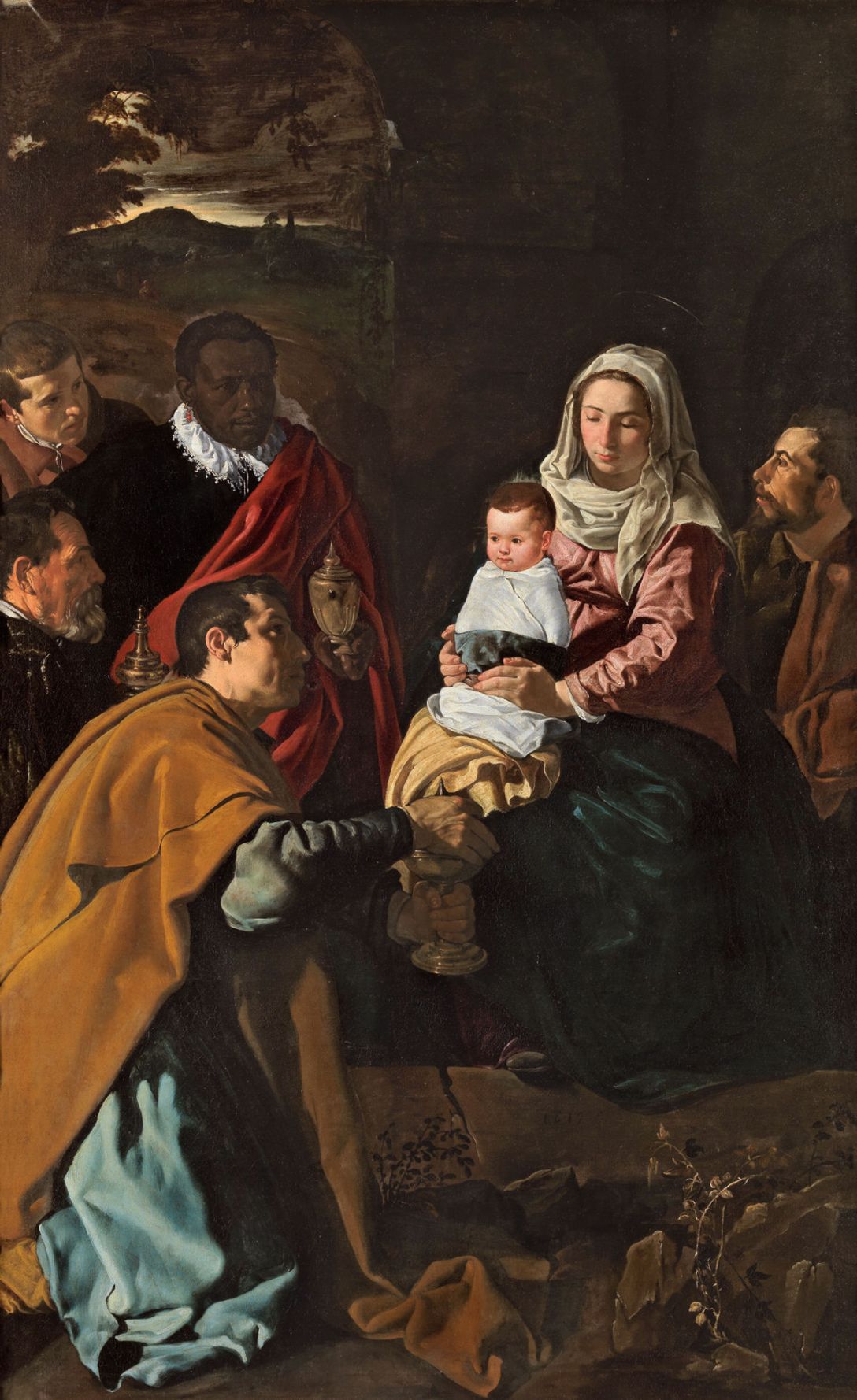
There is a lot of advice out there geared toward writers, but I find it more helpful to think of the process the way a Renaissance painter might approach a new painting.
First, a theme, the more specific the better. “Motherly love” is nice but vague. “The wistful feelings of a mother gazing at her child knowing that child will grow beyond her reach and will suffer in ways she cannot prevent” is more specific and, by the narrowness of its scope, makes it easier for us and our audience to gauge our success. Limitations are freeing; by defining a narrow scope of theme, we automatically rule out a vast amount of material that doesn’t belong in our composition, and now we can focus on the few things that really matter. In this case, the expression on the mother’s face, the tilt of her head, the set of her mouth, and especially her eyes.
Continue reading “Painting a Novel” Chronicler's Note: